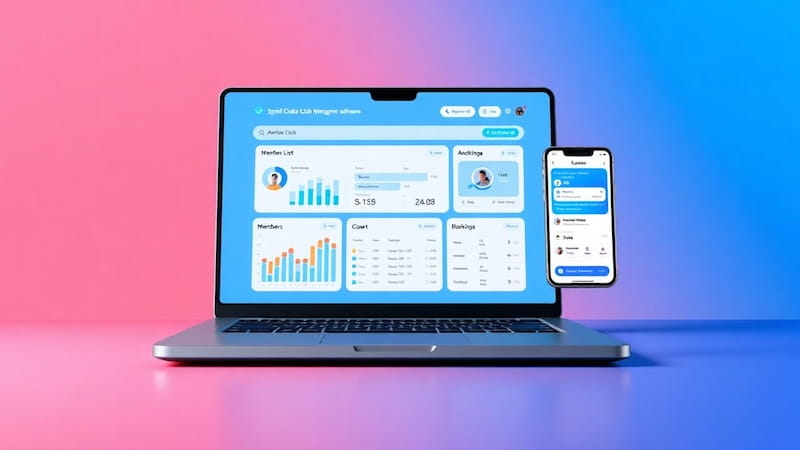

Independent gyms in the UK and US are squeezed between budget chains below them and boutique studios above. A modern gym booking app is the one piece of tech that levels the playing field — letting a 400-member gym look and feel as polished as a 10,000-member group like PureGym or Equinox. The right app handles class sign-ups, PT bookings, member payments, attendance and push reminders in one place, and crucially, without paying per-member fees that eat your margin.
A good gym booking app for an independent gym does five things: shows the class timetable with one-tap booking, takes membership payments, sends push reminders 24h and 2h before each class, manages waiting lists automatically, and tracks attendance. PWA-based apps cost a fraction of native and avoid the 15–30% app-store cut.
Why a Booking App Beats a Booking Page
A booking page on your website is a step up from paper, but it sits in a browser tab nobody returns to. A branded member app lives on the home screen — one tap, no login screen, push notifications enabled. IHRSA data consistently shows engaged app users visit 30–40% more often than non-app members.
Class Sign-Ups That Actually Fill
Most gym booking failures aren’t about the booking flow — they’re about visibility. Personalised push notifications showing members the three classes most relevant to them this week lift class fill rates by 30–50% without changing the timetable.
Membership Payments Built In
Members manually book through your app, then settle payment at the desk or by recurring direct debit you set up separately — your app doesn’t need a payment processor to be the central booking system. Keep payments where they already work; let the app do what it’s best at.
Waiting Lists That Recover Lost Revenue
When a popular spin class fills, don’t shut the door — open a waiting list. The moment someone cancels, the next member gets a push: “A spot just opened in 6pm spin — book in 10 minutes to claim it.” This single feature recovers thousands of pounds per month at a busy gym.
PWA or Native: What Independent Gyms Actually Need
A native app costs £40k–£100k to build and 15–30% of every in-app payment forever. A progressive web app ships in weeks, lives on the home screen, supports push notifications, and skips the app stores entirely. For 95% of independent gyms, PWA wins. Google’s web.dev guide walks through why.
What Members Won’t Tolerate
Slow load times, forced logins on every visit, and notifications that don’t actually do anything. Google’s Core Web Vitals are the bar: under 2.5 seconds to first paint, instant tap response.
Gym Booking App: PWA vs Native vs Generic SaaS
| Approach | Setup Cost | Per-Member Fee | Best For |
|---|---|---|---|
| Branded PWA | Low (weeks) | None | Independent gyms wanting their own brand |
| Native iOS + Android | £40k+ | 15–30% of in-app payments | Large chains with a dev team |
| Generic SaaS (Mindbody / Glofox) | Low | Per-member monthly | Multi-location chains comfortable with their branding |
| WhatsApp / spreadsheet | Free | None | Under 50 members — and you’re losing time daily |
Frequently Asked Questions
Branded PWA solutions for independent gyms typically run £150–£400 per month all in. Native development starts at £40,000 plus ongoing maintenance and app-store fees.
Yes — even at 200 members the app pays for itself if it lifts class attendance by 10–15% or recovers two membership cancellations a month.
Engaged app users visit 30–40% more often according to IHRSA member-engagement data. The key is push notifications — apps with no notifications get used like websites.
A booking app handles classes and sessions. A full member app adds chat, attendance tracking, partner matching, ladder leagues and announcements — closer to a community than a calendar.
No — PWAs install directly from your website, bypassing both app stores entirely. There’s no review process and no 30% fee.