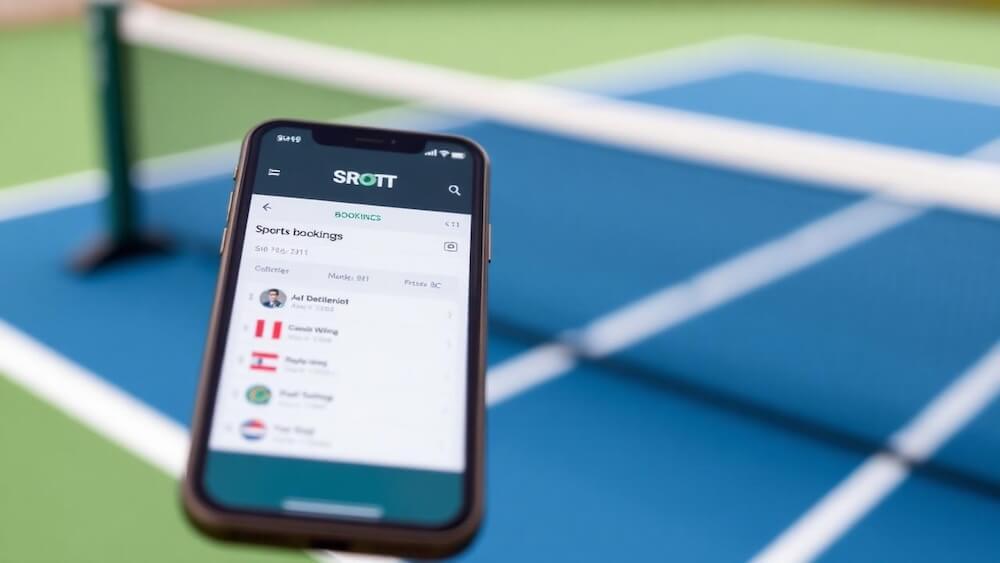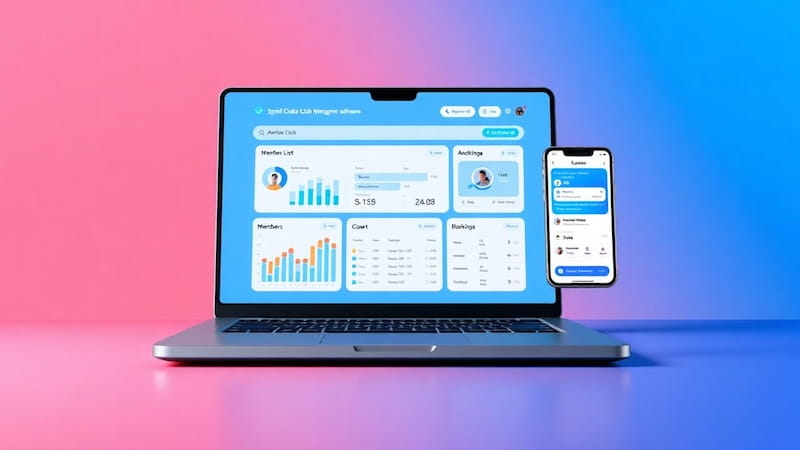

Most independent gyms either run no CRM at all (membership info lives in a spreadsheet) or pay for an enterprise platform built for 50-location chains. There’s a gap in the middle: a gym CRM built for the 200–2,000 member gym that just needs to know who’s slipping away, who hasn’t been in for 14 days, and who’s coming up for renewal — and what to send each of them.
A small-gym CRM should do three things automatically: flag any member who hasn’t visited for 14 days, surface upcoming renewals 30 days out, and let you send a personalised message in one tap. That single workflow recovers 10–20% of members who would have silently cancelled.
Why Enterprise CRMs Don’t Fit Independent Gyms
Salesforce, HubSpot, even Mindbody — they’re built for funnels with thousands of leads, not 500 paying members who you basically know by name. The features you actually need are simple: visit history, lapsed-member alerts, and a way to message someone without opening a new app.
The 14-Day Rule
A gym member who hasn’t visited in 14 days is statistically twice as likely to cancel within 30 days. A good gym CRM surfaces that list every Monday morning — and lets you fire off a “we miss you” message in one tap. Personalised, sent within the danger window, this recovers more members than any discount campaign.
Renewal Visibility Before It’s Too Late
By the time a member cancels in your billing system, they’ve already mentally left. Surface upcoming renewals 30 days ahead so the front desk can have a friendly chat at their next visit — and surface “at-risk renewals” 60 days ahead based on visit drop-off. IHRSA research consistently shows proactive renewal contact lifts retention by 8–12 percentage points.
Personalised Messaging That Doesn’t Feel Like Marketing
Generic “we miss you!” emails are ignored. A message that says “Hi Sarah, noticed you haven’t been in since the bank holiday — fancy joining Tom’s spin class on Thursday at 6?” gets a reply. A gym CRM with push notifications tied to attendance data is the difference between marketing and a personal touch.
Lapsed-Member Win-Back
Members who cancelled in the last 6 months are your easiest “new” members. They already knew your gym, liked it enough to join once, and most cancelled because of life events (job change, baby, injury) not because they hated you. A quarterly win-back message converts 5–10% of lapsed members back into paying ones.
What Data Your Gym CRM Actually Needs
Keep it simple: name, email, phone, membership start date, last visit, total visits in 30/60/90 days, renewal date, and any notes from staff. That’s it. An admin dashboard that surfaces these as live lists beats any complicated reporting suite.
What Independent Gyms Actually Need in a CRM
| Feature | Why It Matters | Frequency of Use |
|---|---|---|
| Lapsed member alerts (14+ days) | Catch quitters in the danger window | Weekly |
| Upcoming renewals (30 days out) | Proactive conversations beat reactive retention | Weekly |
| At-risk renewals (60 days out) | Spot trouble before they cancel | Monthly |
| One-tap personalised push | Replies happen when messages feel human | Daily |
| Visit history per member | Front-desk staff can have informed conversations | On-demand |
| Lapsed-member win-back lists | 5–10% conversion on quarterly win-backs | Quarterly |
Frequently Asked Questions
Gym management software handles bookings, payments and access. A gym CRM focuses on member relationships — lapsed alerts, renewal pipeline, and personalised messaging. The best modern systems include both.
Any gym above 200 members benefits. Below that, a spreadsheet works — but a proper CRM saves the owner 5+ hours a week and recovers more members than it costs.
Look for one with a built-in member app — separate CRM and booking systems create double-entry and missed data. A unified platform is usually cheaper and always more accurate.
If you choose a purpose-built gym CRM, you can import your member list and be sending lapsed-member messages within a week. Enterprise CRMs typically take 2–3 months.
Independent gyms that adopt a 14-day lapsed-member workflow typically see retention improve by 5–10 percentage points within 6 months.